Little Mister Romeo SVG: Graphics for Crafts
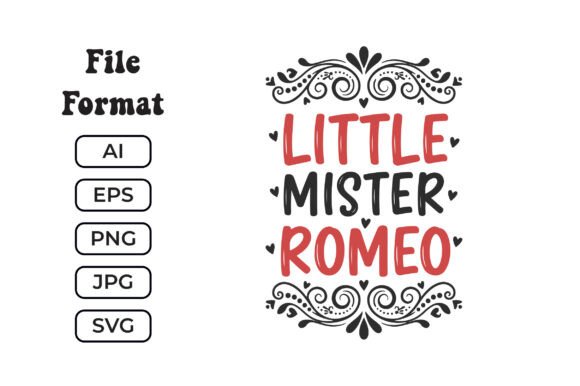
As a brand designer who has spent years refining visual identities for local businesses, I approach every new graphic design asset with a critical eye. It is not enough for an illustration to be cute; it must serve a strategic purpose within a broader brand identity. Recently, I evaluated the Little Mister Romeo SVG Boys Valentine for a potential seasonal campaign involving a boutique children’s apparel line and a local artisanal cookie shop. The goal was to determine if this specific SVG design could elevate their small business branding during the high-traffic Valentine’s Day season.
My first impression of the Little Mister Romeo SVG Boys Valentine was one of playful sophistication. Unlike generic clipart that often feels flat or overly cartoonish, this piece carries a distinct personality. It suggests a brand that is friendly, approachable, and attentive to detail. For a local business targeting parents or gift-buyers, this mood is crucial. It strikes a balance between whimsical and polished, making it suitable for brands that want to appear professional yet warm. The design does not scream for attention aggressively; instead, it invites the viewer in with a sense of charm that aligns well with handmade and boutique aesthetics.
Strategic Applications in Packaging and Label Design
The primary value of any digital product in the Crafts category lies in its versatility across physical touchpoints. In my review, I focused heavily on how this asset performs in packaging design. For the cookie shop client, we tested the graphic on kraft paper boxes and clear cellophane bags. The result was impressive. The lines were clean, allowing for crisp printing even on textured materials. When used as a central element on a product label, it created an immediate emotional connection, transforming a simple sugar cookie into a thoughtful gift.
Beyond food, this asset shines in the realm of handmade business goods. Imagine a small batch soap maker or a candle creator looking to refresh their seasonal lineup. The Little Mister Romeo SVG Boys Valentine works exceptionally well as a hang tag accent or a sticker seal. It adds a layer of perceived value to the unboxing experience. In commercial design, these small details often dictate whether a customer perceives a product as mass-produced or artisanal. By integrating this illustration into their printable design workflow, these businesses can maintain consistency across various SKUs without needing custom illustration commissions for every holiday.
Enhancing Visual Hierarchy in Marketing Visuals
A common mistake I see among creative entrepreneurs is cluttered marketing materials. A strong graphic design asset should help organize information, not compete with it. When incorporating the Little Mister Romeo SVG Boys Valentine into social media graphics or flyers, I recommend using it as a hero graphic. Let it breathe. Surround it with ample white space to ensure the visual hierarchy remains clear. This approach works beautifully for web design banners and email headers, where the goal is to stop the scroll and convey a festive message instantly.
For marketing visuals intended for print, such as posters or menu inserts, the scalability of the SVG format is a significant advantage. Whether resized for a large storefront window decal or a small business card, the vector paths remain sharp. This flexibility is essential for professional branding, where consistency across different mediums builds trust. Customers are more likely to remember a brand that presents a cohesive look, from their Instagram feed to the physical product mockup they receive at their doorstep.
Contextual Suitability and Design Constraints
While the Little Mister Romeo SVG Boys Valentine is versatile, it is not a universal solution. As a designer, I must advise against using this specific style in formal corporate branding or luxury minimalist contexts. Its playful nature clashes with the serious tone required for legal information areas or high-end, understated elegance. Furthermore, caution is needed when placing this graphic on crowded packaging design layouts. If the label already contains extensive ingredient lists or regulatory text, adding a decorative element like this can reduce readability and create visual noise.
It is also vital to consider background contrast. This design relies on clear lines, so it may get lost on low-contrast backgrounds or busy patterns. Always test the asset on solid colors first. For editorial design or complex layouts, ensure that the illustration complements the typography rather than fighting it. Pairing it with a clean sans serif font or a playful handwritten font can enhance the overall aesthetic, while a heavy display font might overwhelm the delicate details of the Romeo character.
Practical Notes for Brand Designers and Makers
Before finalizing any commercial license usage, there are several technical checks I perform. First, always inspect the SVG file for unnecessary nodes or open paths that could cause issues during cutting or printing. Second, test the design in black and white. A robust illustration should hold its integrity even without color, which is useful for cost-effective single-color printing on stickers or stamps. Third, preview the asset at small sizes. If the details become muddy when scaled down for a tiny price tag or social media avatar, it may need simplification.
Additionally, compare the asset against competitor packaging in your niche. Does the Little Mister Romeo SVG Boys Valentine help your client stand out on the shelf? Does it align with their existing brand colors? Testing it alongside various font styles—serif, script, and modern—is crucial to finding the right typographic partner. Finally, always confirm the licensing terms. Ensure that the creative marketplace source allows for physical product sales and client work, as this impacts the legality of your small business branding projects.
In conclusion, the Little Mister Romeo SVG Boys Valentine is a potent tool for designers working with local boutiques, food businesses, and handmade sellers. It offers a blend of charm and professionalism that can significantly enhance product presentation and customer trust. By using it strategically in packaging design, social media graphics, and promotional materials, brands can create a memorable seasonal presence. However, success depends on thoughtful integration, respecting visual hierarchy, and adhering to practical design constraints. When used correctly, this asset does more than decorate; it communicates brand values and drives engagement in a crowded marketplace.