Reviewing the Lucky Teacher St Patricks Day PNG for Embroidery
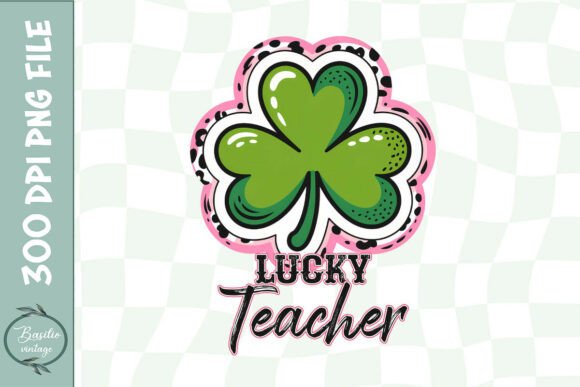
As an embroidery designer who has spent years translating digital concepts into stitched reality, I approach every new digital embroidery file with a mix of curiosity and skepticism. We have all been there: downloading a cute graphic that looks perfect on screen, only to find it turns into a tangled mess of thread breaks and puckering once it hits the hoop. Today, I am taking a close look at the Lucky Teacher St Patricks Day PNG, evaluating it not just as a piece of clip art, but as a viable asset for real-world machine embroidery design projects.
The first thing that strikes me about this design is its thematic clarity. It captures that specific, cheerful niche of holiday apparel that performs exceptionally well in the craft business sector. The "Lucky Teacher" motif is a staple for March, appealing directly to educators who want to participate in school spirit days without sacrificing professionalism. From a visual standpoint, the layout appears balanced, which is crucial when you are working with limited hoop size constraints. However, because this is marketed primarily as a Graphics product within the Crafts category, my immediate concern is adaptability. How does this raster or vector image translate when we apply satin stitch borders or fill stitch backgrounds?
Real-World Application: The Custom Tote Bag Test
To truly evaluate the Lucky Teacher St Patricks Day PNG, I imagined a common scenario for many Etsy sellers and small shop product creators: a last-minute order for a personalized tote bag. Tote bags are tricky. They are often made of canvas or heavy cotton, which has a distinct fabric texture that can swallow up fine details. If the design relies too heavily on tiny text or intricate shamrock outlines, it might get lost in the weave.
In this context, the design’s boldness is its strength. For a tote bag design, you need high contrast and clear shapes. If I were converting this PNG into an embroidery file, I would prioritize thickening any outline elements. A thin running stitch might disappear, so opting for a slightly wider satin column for the lettering would ensure readability. The mood here is playful yet professional, making it ideal for a teacher’s gift bag or a classroom supply carrier. It is not just about aesthetics; it is about durability. A teacher’s bag gets thrown around, so the stitch density needs to be robust enough to withstand wear without being so dense that it creates a stiff, cardboard-like feel on the fabric.
Apparel Considerations: Sweatshirts and Caps
Moving from accessories to apparel, let’s consider sweatshirt embroidery. This is perhaps the most popular use case for holiday-themed designs. When stitching on fleece or heavy cotton blends, the Lucky Teacher St Patricks Day PNG needs to breathe. One common mistake beginners make is over-digitizing complex graphics. If this design includes detailed shamrocks or lucky charms, I would recommend simplifying them into an applique design style if possible, or using broad fill stitches rather than micro-details. This reduces bulk and prevents the garment from feeling heavy on the chest.
However, caution is required when applying this to curved surfaces like caps. A cap’s front panel is small and highly curved. If the design is wide, it will distort. I would advise checking the aspect ratio carefully. If the "Lucky Teacher" text is arched, it might work well on a dad hat, but straight, wide layouts are better suited for flat items like pillow covers or tea towels. For baby embroidery projects, such as a onesie, the scale must be reduced significantly. Here, the legibility of the text becomes the primary challenge. If the letters become too small, they may merge together during stitching. Always test a scaled-down version on scrap fabric before committing to a final personalized gift.
Navigating Fabric and Technical Challenges
One of the most critical aspects of using a graphic like the Lucky Teacher St Patricks Day PNG is understanding how it interacts with different materials. Dark fabrics present a unique challenge. If the design relies on light green or white threads, you must ensure your digitizing includes a proper underlay. Without a solid foundation, the dark fabric will show through the stitches, ruining the vibrancy of the thread colors. I always recommend creating a black-and-white mockup first to check for contrast issues. If the design loses its definition in grayscale, it will likely struggle on dark navy or black apparel.
Stretchy fabrics, such as jersey knits used for t-shirts, require careful stabilization. Even the best embroidery file will pucker if the stabilizer is incorrect. For this design, a cut-away stabilizer is usually the safest bet for garments that will be washed frequently. Teachers wash their clothes often, so the finished product must maintain its shape. Additionally, watch out for dense stitch areas in the shamrock details. If the digitizer has packed too many stitches into a small space, it can cause needle breaks or thread snapping. Inspect the stitch path if you are doing the digitizing yourself, or request a sample stitch-out from the seller if available.
Commercial Value and Brand Consistency
For commercial embroidery professionals, the value of the Lucky Teacher St Patricks Day PNG lies in its versatility and market appeal. Holiday items sell quickly, but they also have a short shelf life. You need a design that is quick to stitch and easy to merchandise. This design fits the bill for holiday embroidery collections because it targets a specific, passionate demographic: teachers. By offering this on various items—aprons, lanyards, or tote bags—you create a cohesive brand presence.
However, licensing is paramount. Since this is sold as a digital file, you must confirm whether the license allows for commercial use of the finished physical items. Most design assets in this category do, but it is never safe to assume. Check the terms provided by the store. Using a design without proper clearance can lead to serious issues for your craft business. Furthermore, ensure that the file format you receive is compatible with your machine. While PNGs are great for printing and sublimation, they are not native embroidery files. You will need to digitize this PNG into a DST, PES, or EXP file, or purchase a pre-digitized version if offered.
Final Designer Notes for Best Results
Before you load the Lucky Teacher St Patricks Day PNG into your software or send it to production, keep these practical tips in mind:
- Test on Scrap Fabric: Never stitch directly on your final garment. Use a similar fabric weight and type to check tension and density.
- Check Thread Contrast: Ensure your green and gold threads stand out against the background fabric. High contrast equals higher perceived quality.
- Review Stitch Density: If digitizing yourself, avoid overly dense fills. Lighter stitches drape better and use less thread.
- Confirm Hoop Size: Make sure the design fits comfortably within your hoop with adequate margin for framing.
- Inspect Small Details: Zoom in on the digital preview. Are there tiny isolated stitches that might cause jumps or breaks? Simplify if necessary.
- Use Proper Stabilizer: Match your stabilizer to the fabric. Cut-away for knits, tear-away for wovens.
- Verify Licensing: Read the fine print regarding commercial rights for both physical sales and digital redistribution.
In conclusion, the Lucky Teacher St Patricks Day PNG is a promising asset for spring collections. It offers a clear, marketable theme that resonates with buyers. However, its success depends entirely on execution. By paying attention to fabric choice, stitch technique, and proper digitizing practices, you can transform this simple graphic into a high-value handmade product that customers will love. Whether you are creating a custom apparel line for local schools or crafting unique embroidered patch designs, this graphic provides a solid foundation for creative exploration.